


Wine 1939
2 products
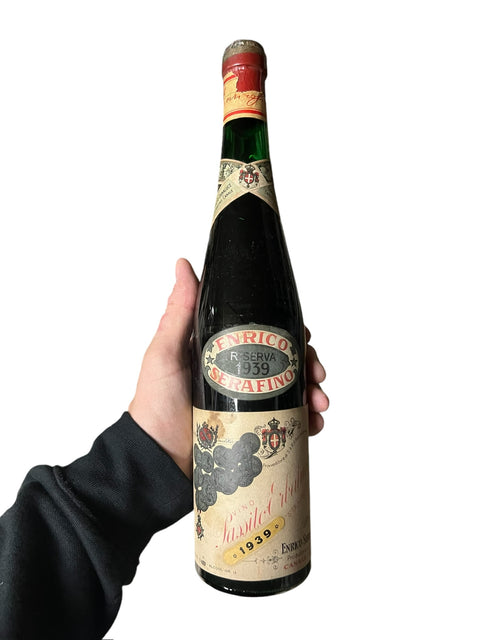

Give a wine from 1939 with a very special story
The 1939 vintage is a deeply fascinating chapter in wine history, as it marks the pivotal transition to World War II. The special historical circumstances mean that bottles from this particular year — like all of our wines from 1949 — are much more than a classic tasting experience; they are genuine historical artifacts that speak to both the heart and the senses.
A personal gift filled with meaning
Giving a bottle from 1939 as a gift is like passing on a piece of preserved world history. The year was heavily influenced by the outbreak of war, which resulted in a drastic drop in wine production due to an acute shortage of both labor and essential materials. However, many European winegrowers, especially the French, showed enormous ingenuity in saving their very best bottles from looting. They built false walls in their wine cellars and deliberately let spiders spin dense webs so that they could hide the true age of the bottles and thus protect the precious drops.
Although the 1939 harvest itself struggled in many places against both the vagaries of the weather gods and the incredibly difficult living conditions, the surviving bottles stand today as powerful images of the times. These wines symbolize an indomitable resilience and a deep dedication to the craft of winemaking under extreme conditions. Therefore, they constitute an incredibly memorable and deeply meaningful gesture when you want to celebrate a very special event.
Assessment and assurance of the wine's condition
When dealing with historic wines that are over 80 years old, the physical condition of the bottle is crucial to the experience. Long-term, professional storage at stable temperatures of around 13 degrees and a humidity of 60-70 percent ensures a slow, controlled development of the wine. Under these optimal conditions, the wine's tannins soften at a pleasant pace, while the color slowly changes from youthful red shades to deep, garnet tones, which helps prevent premature degradation.
To assess the quality thoroughly, the bottle is examined for shrinkage, which is called ullage in professional terms. If the liquid level is around the upper shoulder of the bottle, this is an excellent sign for a wine of this age, as it indicates a solid and completely tight seal. At the same time, the cork and foil are carefully inspected for any signs of leakage or drying out. The old corks are often incredibly fragile and require the use of special tools if they are to be pulled out in one piece.
Special characteristics of the vintage's producers
The wines from this time period bear a clear imprint of the proud, traditional production methods of the time and the unique regional characteristics, and in the same spirit, one often sees similar durability in wines from 1959. In both Italy and Spain, the wine houses worked from classic virtues and carefully selected grape combinations, which were created from the very beginning with the aim of giving the wines an unusually long lifespan.
- A classic Piedmontese wine house maintained a true artisanal approach in their underground cellars, producing beautifully structured red wines based on the tannin-rich Nebbiolo grape.
- Spanish Rioja wines, particularly known under the name Siglo Saco, were traditionally aged for a long time in oak barrels to achieve a classic and very resistant structure.
- The Siglo Saco bottles are particularly known for their iconic packaging, where each bottle was carefully hand-wrapped in a rustic hessian sack to effectively protect the wine from shock and temperature fluctuations.
- The red wines from this specific period were deliberately structured with high natural acidity and pronounced tannins, so that they could mature and develop harmoniously over many decades.
- The labels from 1939 clearly reflect a historical transitional period. The design was very often characterized by detailed illustrations of the beautiful wine houses combined with a classic typography that proudly signaled heritage and high quality.
- Many producers used protective foils made of soft metal to protect the stopper as best as possible from pests, while in Rioja a characteristic gold mesh was often used over the stopper as a visual safeguard against counterfeiting.


