


French dessert wine
8 products


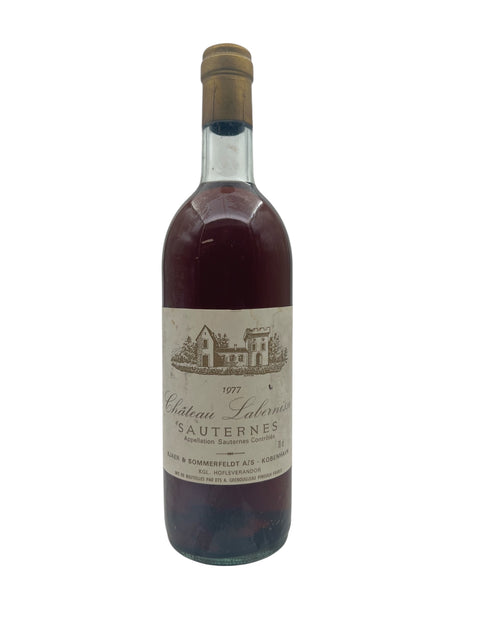
Historic French dessert wine from classic vintages
Opening a mature French dessert wine is an invitation to taste the result of patience and skilled craftsmanship. These classic vintages can often rest in the cellar for up to a century. This incredible durability is due to the wine’s high content of natural residual sugar in wonderful harmony with a crisp, cleansing acidity. The magic arises especially through noble rot, known as Botrytis cinerea. This process dries out the grapes directly on the vine, which concentrates both flavor and sweetness and creates the foundation for a captivating development in the bottle over decades.
The work behind these historic wines requires enormous dedication. The yield is naturally low, as the grapes are harvested manually in several passes to ensure the right ripeness. The vines are strongly affected by the weather, and the narrow climatic window means that the most successful vintages are rare. When these bottles are subsequently given rest under optimal conditions for 20 to 60 years, the young fruit transforms into a deep, complex, and balanced experience that delights wine lovers around the world.
Well-known areas for dessert wine in France
France offers many magnificent wine regions, each of which contributes its own history and tradition to the creation of sweet wines. The climate, geography, and local grape varieties are all crucial to how the wine tastes and develops. Let us dive into some of the best-known areas where the country’s age-worthy drops come into being. Although the focus here is French wines, we also offer Italian dessert wine of high quality.
Sauternes and Barsac
In the Bordeaux region lie the areas of Sauternes and Barsac, where the microclimate is as if created to promote noble rot. Here, the cool water from the Ciron River meets the warmer Garonne River. This creates a dense morning fog in autumn, followed by mild, sunny afternoons. This special rhythm causes the grapes, which are primarily Sémillon and Sauvignon Blanc, to shrivel so that their natural aromas intensify.
While Sauternes is especially known for its gravelly soil, which creates full-bodied and creamy wines with notes of tropical fruit, Barsac has a more clay- and limestone-rich terroir. This often gives the wines from Barsac a slightly lighter character and a more prominent, mineral acidity. Both areas, however, guarantee classic bottles that can mature beautifully over many decades.
Banyuls and Maury
If we travel toward Southern France, to Roussillon, we find the production of the classic Vins Doux Naturels in the appellations Banyuls and Maury. These wines are produced using a process called mutage. Here, neutral grape alcohol is added during fermentation, which kills the yeast, preserves the grapes’ natural residual sugar, and raises the alcohol percentage. The result is an incredibly stable wine that can last for generations.
Banyuls is produced mainly from Grenache grapes, which grow on steep slate terraces facing the Mediterranean. The wines are often aged oxidatively, which brings forth warm notes of dried fruit, caramel, and nuts. Further inland lies Maury, which also benefits from slate-rich soil. Here, dark, robust, and intensely concentrated wines are created, which are a formidable companion to rich desserts.
The Loire Valley’s noble drops
Along the Loire River, the Chenin Blanc grape variety is the great star within sweet wines. In areas such as Coteaux du Layon and Quarts de Chaume, winegrowers use the autumn mist to create the perfect conditions for noble rot. This results in wines that offer an overwhelming intensity of honey, apricot, and ginger.
What is special about the dessert wines from the Loire Valley is the Chenin Blanc grape’s ability to retain a refreshing, high acidity, even when the grapes are full of sugar. This lean acid structure ensures that the wine remains elegant and never feels too heavy. At the same time, it equips the best vintages with legendary aging potential across several generations.
How a French dessert wine develops over time
When you let a quality dessert wine rest in the bottle through three, four, or perhaps six decades, it undergoes a series of profound chemical transformations. The high level of sugar and acidity acts as the wine’s natural preservatives, allowing it to integrate and develop its nuances at a very calm pace.
- Color change: Over the years, the wine undergoes slow oxidation. For white dessert wines, this means that the original light, golden color gradually shifts to warm, deep shades of amber, copper, or dark mahogany.
- Aroma development: Chemical reactions in the bottle significantly change the young and fresh fruit notes. Instead, the tertiary aromas emerge, offering a rich bouquet of dried figs, orange marmalade, saffron, ginger, and toasted nuts.
- Texture and sediment: Over time, tannins and phenols in the wine will bind together and fall to the bottom as sediment. This process removes the sharpness from the wine and leaves an incredibly silky, rounded, and viscous mouthfeel.
- Sweetness integration: Although the amount of residual sugar actually remains constant, age will make the sweetness appear more subdued and finely integrated. The flavor more often moves toward caramel and burnt sugar, which balances beautifully with the wine’s acidic backbone.
The benefits of shopping at Bottles With History
Buying older vintages requires great trust, as the wine’s age places strict demands on its history and the way it has been stored. At Bottles With History, we have made it our specialty to deliver a safe experience for wine lovers and collectors who wish to enjoy a bottle that has preserved its true character and genuine age; through our selection of dessert wine, we also ensure that you can easily find exactly the vintage you are looking for.
- We offer the largest selection of vintage wines in both Scandinavia and Europe, so you can easily find very specific vintages.
- Most of our assortment consists of special bottles that are between 20 and 60 years old.
- All our wines have rested under completely optimal temperature and light conditions to ensure the correct maturation process.
- We offer fast and secure next-day delivery, where the fragile bottles are handled carefully and arrive safely at your door.
- Our dedication to outstanding customer service is expressed through our high TrustScore of 4,6 out of 5, based on more than 200 reviews.
Correct serving of mature dessert wines
To get the best possible taste experience from a historic wine, it requires a little preparation before the cork is pulled. First, the bottle should stand upright for 24 to 48 hours before serving so that any sediment can safely collect at the bottom. As very old corks can often be fragile, we recommend using a special opener that grips the sides of the cork rather than piercing it. The serving temperature is also essential; older white dessert wines are best enjoyed at 10 to 14 degrees, so that the acidity’s lean backbone is preserved, while the red, fortified wines unfold best at 16 to 18 degrees. Unlike young, tannic wines, mature dessert wines are very sensitive to sudden oxidation. They should therefore not be decanted for hours, but instead poured gently off the sediment and enjoyed immediately so that the fine, volatile aromas are preserved in the glass.
Find a French dessert wine from a special year
A mature wine is far more than just an exquisite taste; it is a capsule of time and history that speaks to the senses. Imagine the joy of choosing a bottle from a particular, meaningful year. It adds a deep emotional value that makes the tasting completely memorable for everyone present. Whether it is to celebrate a milestone birthday, mark a wedding anniversary, or celebrate a jubilee, a historic vintage wine creates a strong and vivid story around the table. Explore our assortment to find the exact year that has a special meaning for you or someone you hold dear, and end the next major event with an exceptional piece of wine history in the glass.


