


Hedwin
11 products


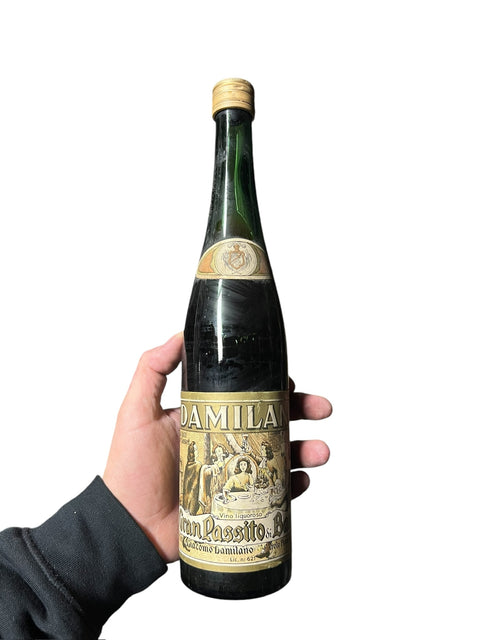


What is fortified wine, really?
When the conversation turns to fortified wines, the question often arises: What exactly is fortified wine? Technically speaking, it is a wine to which a distilled spirit has been added during or after its production, which typically raises the alcohol percentage to between 15 and 22 percent. Originally, this method arose to preserve the wine so it would not spoil on the long, hot sea voyages of the past. Today, the technique is maintained to produce rich and complex taste experiences that can mature beautifully over many years.
Addition of alcohol
In the creation of this wine, it is absolutely decisive for the final result in the bottle when the neutral grape alcohol is added. If one chooses to add the alcohol while the wine is fermenting, the process stops immediately because the yeast cells simply do not survive the high alcohol percentage. This leaves a high content of natural, unfermented residual sugar from the grapes and results in a delightfully sweet wine.
If, instead, the wine is allowed to ferment completely, so all the sugar is converted into alcohol before the addition of spirit, a dry style is created. Regardless of the timing, the high alcohol percentage acts as a stabiliser that protects the wine against unwanted bacteria far into the future.
The importance of ageing
The high alcohol percentage acts as a natural preservative, allowing the wine to undergo a slow, oxidative maturation in wooden casks over many decades without harm. During this long resting period, a small amount of the water slowly evaporates through the pores of the wood, which naturally concentrates both the residual sugar and the acidity in the remaining wine.
At the same time, the wine’s structure undergoes a remarkable transformation during the long ageing. The wine’s natural tannins break down and gradually become softer with time. This transforms the slightly sharp structure the wine had in its youth into a much softer, rounded, and almost silky sensation in the glass.
Flavour profiles
After decades of rest in the cellar, chemical reactions arise that completely change the wine’s expression. As the alcohol slowly oxidises, complex compounds are formed. This replaces the young wine’s fresh fruit flavour with deep, mature aromas of toasted nuts, caramel, dark chocolate, and dried fruit.
For the red versions, the colour will change along the way, going from an intense, dark purple to reddish-violet, brownish, or beautiful brick-red shades. The white variants will likewise become markedly darker as a result of oxidation and often take on a deep amber-golden or dark golden tone as they mature.
Properly stored vintage fortified wine
When acquiring bottles with 20 to 60 years behind them, correct and stable storage is absolutely crucial to the wine’s condition. Older vintages are delicate in the face of external influences, and they require a calm environment to preserve their historic character. An even temperature, the right humidity, and the absence of direct sunlight ensure that the maturation continues at a harmonious and calm pace.
At Bottles With History, we take great pride in treating these old treasures with the deepest respect and professional care. Our storage conditions are carefully adapted to guarantee that every single bottle preserves its quality and true expression, right up until the cork is pulled. This gives you peace of mind when you seek a meaningful wine experience where condition, age, and tasting notes come together as a whole.
Types of historic fortified wine in our cellar
Throughout history, several countries and regions have refined their very own methods of producing fortified wines. In our collection, you will find a range of classic styles, each offering a special expression shaped by its homeland and maturation journey.
- Vintage Port: An incredibly renowned type from Portugal, which is bottled unfiltered and continues to mature in the bottle over decades. Here it develops intense notes of dried fruit, dark chocolate, and tobacco.
- Madeira: A traditional wine from the island of the same name, which is quite deliberately exposed to heat and oxygen during its ageing. This creates an incredibly durable wine with deep aromas of caramel, toffee, and toasted nuts.
- Sherry: Spanish wines that encompass great breadth – from the completely dry, pale, and crisp Fino, aged under a protective layer of yeast, to the dark, oxidised, and rich Oloroso.
- Marsala: The pride of Sicily, where the island’s warm coastal climate and ageing in wooden casks add a lightly salty minerality, beautifully accompanied by rich notes of fig, coffee, and brown sugar.
- Banyuls and Maury: South French styles, primarily made from the Grenache grape. They undergo prolonged oxidation and offer complex layers of baked fruit, coffee, and rancio character.
How to serve older vintages of fortified wine
Opening and pouring a bottle of fortified wine that holds decades of history requires a little care to let the wine come fully into its own. To highlight the flavour in the best possible way, there are a few practical steps that ensure a perfect serving.
Handling old corks: When a cork has been in the bottle for many decades, it often loses its flexibility and becomes very fragile. It is warmly recommended to use a two-pronged cork puller, which you carefully work down between the glass and the cork. That way, the cork can be pulled out whole, and you avoid crumbling cork in the wine.
Decanting and sediment: Many older wines, and especially Vintage Port, form a heavy and natural sediment over the years. Feel free to let the bottle stand upright for one to two days before it is opened. After that, the wine can be poured into a decanter in a slow, smooth movement with a good light source behind it. Stop pouring at the precise moment the sediment approaches the neck of the bottle.
Oxygenation of the wine: When a wine has been closed in for half a century, the aroma may seem a little closed at first. If you allow the wine to oxygenate for 30 to 60 minutes, the closed aromas will evaporate, and the complex notes of fruit and spices can unfold beautifully. If it is a matter of very old bottles over 40 years old, however, they should only be oxygenated very briefly before serving to preserve their fresh expression.
The correct temperature: So that the alcohol does not dominate the wine’s delicate flavour nuances, it is best to serve the wine a little cooler than normal room temperature. The dark and sweet types are ideally enjoyed at 15 to 18 degrees, while the very dry variants can advantageously be served lightly chilled at 7 to 9 degrees.
Give a bottle with a special history
Imagine the joy of giving a well-preserved, historic bottle for one of life’s great milestones. Giving a wine from a very specific year – whether it is the recipient’s birth year, the year of a wedding, or a special anniversary – shows personal and deep thoughtfulness. It is not merely a bottle of wine, but a piece of genuine history and beautiful craftsmanship that encourages people to gather, remember, and celebrate the occasion with a glass filled with character.
From the cellar in Roskilde to your home
At Bottles With History, we know that old and fragile wines require extremely gentle handling and logistics. That is why we take great care to pack your order incredibly securely at our warehouse in Roskilde, so the bottle arrives safely at your door. We offer fast next-day delivery and place enormous emphasis on attentive customer service, so you get a safe experience from start to finish. That way, you can confidently look forward to receiving a historic bottle that is ready to create new, unforgettable memories.


