


Wine 1978
28 products


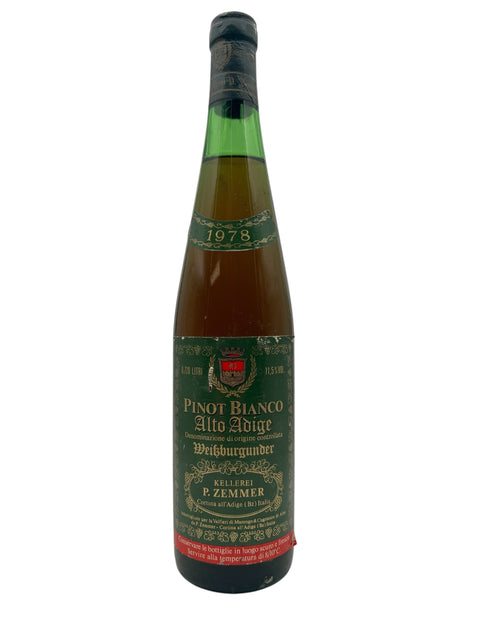


The taste of Italy: nuances in a wine from 1978
To open an Italian wine from 1978 is to bring to life the story of a classic and very special growing season. The year featured weather conditions across the country that resulted in wines with wonderful depth, prominent fruitiness and a structure that has allowed them to develop beautifully over several decades.
Characteristics of the vintage
The vintage was generally characterized by a dry and hot summer in Italy. This created full-bodied, dark and fruit-driven wines with tannins ranging from moderate to pronounced. Many of these bottles were at their absolute peak in the 1990s, but thanks to the solid structure, the best examples still deliver a very impressive tasting experience today.
At the same time, this particular year is considered one of the last great years for the very traditional production methods, where long maceration and patient aging in large wooden barrels were the norm. This has given the wines an inherent balance and resilience that retains complexity long after the harvest year itself.
The elegance of Piedmont
In Piedmont, a warm and dry autumn saved an otherwise cold and damp start to the season. The change in weather led to a low yield of Nebbiolo grapes, which developed very thick skins, resulting in wines with high acidity, enormous concentration and an exceptionally firm structure. Because ripening occurred late and slowly, ideal conditions were created to produce wines worthy of aging and elegant.
The long rest period in the bottle means that the very intense tannins of the past appear much softer and more refined today. If you enjoy a ripe Piedmont wine from this year, you will typically encounter a complex bouquet with tertiary aromas of tar, leather, dried cherries, roses and truffles. It is this mix of raw power and delicate finesse that makes them true icons of the region's traditional style.
The warmth of Tuscany
In Tuscany, the season was more classic and stable. An early spring was followed by a warm summer without any harmful extreme heat waves, and as the rain fell evenly, the Sangiovese grapes were able to reach full physiological maturity during a mostly sunny harvest. This resulted in very well-balanced wines with a recognized long life ahead of them.
The flavor profile of the Tuscan wines from this harvest often features ripe, dark fruits such as blackcurrant and blackberry, which over time have been joined by complex earthy notes of tobacco, leather and smoke. With their firm tannin structure and well-balanced high acidity, they emerge as rich and full-bodied wines that tell an honest story of the Tuscan terroir of the decade.
That's why a historic vintage wine brings joy
Receiving an older, mature wine — whether it’s a 1968 or another vintage — is about much more than just the taste. A historic bottle is a symbol of the passage of time and a deep appreciation of a classic craft, making it ideal for marking life’s big events, such as milestone birthdays or anniversaries.
- A time capsule in a bottle: A wine from a specific decade acts as a historical imprint, encapsulating that particular year's sunshine hours, rainfall and soil conditions. It gives the recipient a very special chance to taste nature's climatic conditions from a very specific time in the past.
- Unique flavor development: During the decades of undisturbed aging, the wine's youthful fruit notes slowly transform into complex, tertiary aromas. This slow maturation process gives it a depth and richness of flavor that younger, more modern wines do not yet possess.
- Rarity and sentimental value: Older vintages naturally disappear from the market with each passing year, making the remaining bottles increasingly fewer in number. Giving such a bottle as a gift emphasizes the special nature of the gift and the personal thought that goes into its selection.
- A conversation starter: A historic bottle automatically invites presence and contemplation around the table. Sharing an old wine is almost always accompanied by reflections, stories and fond memories related to the year printed on the label.
Safe delivery of your wine 1978
Older bottles are fragile natural products that require specialized care both during storage and during further transport to the recipient; we also handle other vintages, including the 1988 selection , with the same care. To ensure that your historic wine retains its full quality and arrives intact, we follow a number of professional and fixed procedures.
- All bottles are stored prior to shipment under strictly controlled temperature and humidity conditions to protect the wine and preserve the natural elasticity of the cork.
- We use same-day delivery as our standard solution, so that the wine spends the shortest possible time in the logistics system.
- Shipping is free for purchases over 500 DKK, which applies regardless of whether you choose delivery directly to a private address or to a parcel shop.
- Each bottle is packed in secure and shock-proof packaging that specifically takes into account the older, fragile glass as well as any natural sediment in the wine.
- Transparent customer satisfaction with a TrustScore of 4.6 out of 5 confirms that the physical handling and the underlying customer service work smoothly from ordering to final receipt.


