

Tuscany wine
66 products





The history behind Tuscany's wine production
Tuscany is a region steeped in rich wine traditions, where wine production has deep historical roots that go back many centuries. From the time of the Etruscans, when the first vines were planted, to the flowering of the Renaissance, Tuscany has played a decisive role in shaping the world of wine. The unique combination of climate and geography has created a foundation that enables local producers to produce wines that exude both tradition and innovation.
Throughout the 20th century, Tuscany experienced a number of significant changes, especially after the Second World War, when the region underwent extensive development. Modern techniques and growing international interest have contributed to Tuscany being considered one of the world's most prominent wine regions today. Here, the wine offers not only taste experiences, but also a historical journey through time and tradition, making wine from Tuscany a sought-after treasure among wine lovers worldwide.
The importance of the Sangiovese grape in Tuscan wine
One of the most notable grape varieties in Tuscany is Sangiovese, which plays a central role in the region's wine production. This grape is known for its ability to absorb the essence of the Tuscan terroir, resulting in wines of unparalleled depth and complexity. Sangiovese's versatility allows it to produce a wide range of wines, from the elegant and light to the full-bodied and powerful.
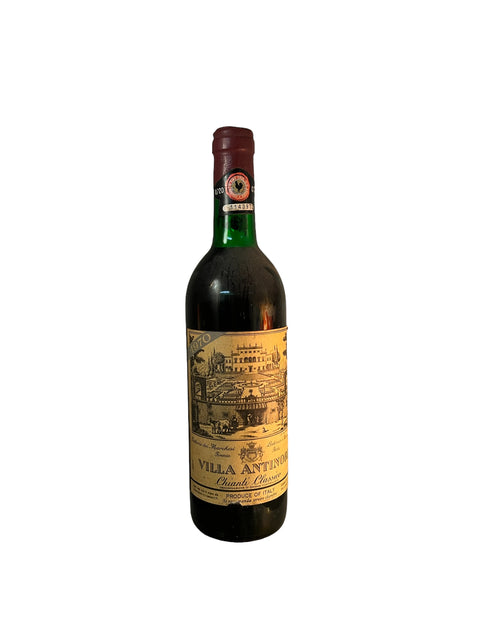
In Tuscany, Sangiovese often forms the basis of famous wines such as Chianti and Brunello di Montalcino. The quality of these wines reflects not only the grape character, but also the region's soil conditions and microclimate, which give Sangiovese its characteristic expression. The combination of tradition and innovation has created wines that captivate both experienced connoisseurs and those who are just starting to explore Tuscan wines.
Explore the wines of Tuscany through our carefully curated selection and discover how terroir and tradition meet in harmony. Good Italian wine from Tuscany is not just for enjoyment, but a journey through the whisper of time.
The classification systems for Italian wine in Tuscany
Navigating Tuscany's wine classifications can seem complex, but is key to choosing quality wines with confidence. Tuscany's wines are classified under various systems that ensure both origin and quality.
DOCG (Denomination of Controlled and Guaranteed Origin) The DOCG label represents the highest standard of Italian wine classification. Wines with DOCG certification, such as Brunello di Montalcino, must meet strict production criteria and undergo intensive quality control.
DOC (Denominación de Controlada) DOC guarantees the origin and production methods of the wine. Although the requirements are less strict than DOCG, the wines must still meet specified standards that protect both quality and tradition.
IGT (Indicazione Geografica Tipica) The IGT classification gives producers more flexibility to experiment with grape varieties and production methods, which can result in innovative and unique wines. This is often the case with Super Tuscans, who defy traditional rules to create something extraordinary.
Characteristics of Chianti and Brunello wines from Tuscany
Chianti and Brunello di Montalcino are two of Tuscany's most iconic wine representatives, each with their own distinct flavor profile. Chianti wines, often made with a large proportion of Sangiovese grapes, are known for their fresh acidity, fruity notes and delicate aromas of cherries and violets. They are versatile and go well with a wide range of Italian dishes.
Brunello di Montalcino, on the other hand, offers a more powerful and complex wine experience. These wines are made only from a special clone of Sangiovese called Sangiovese Grosso, which is known for delivering deep, concentrated flavor notes that often include subtle hints of tobacco, leather, and earth. Brunello wines are known for their long aging ability, allowing the flavors to develop and blossom over time, highlighting a richness and texture that is unforgettable.
The Super Tuscans' revolution in the wine world
Super Tuscans represent a bold departure from traditional Italian wine laws, and their emergence marked a significant revolution in the world of wine. These wines were born out of a time when producers wanted to break free from regulations and experiment with international grape varieties, such as Cabernet Sauvignon and Merlot, often blended with local grapes such as Sangiovese.
The result was wines that combined the power of foreign grapes with the unique Italian terroir. Super Tuscans, such as Tignanello and Sassicaia, quickly achieved cult status and changed the perception of what Italian wine could be. These wines are a testament to innovation and quality, and they continue to be the icing on the cake in modern winemaking. At the same time, the innovative approach of the renowned Gaja production house recalls Italy's rich traditions.
How Tuscany's climate shapes the wine
Tuscany's climate is a major factor in the region's viticulture, shaping the distinctive characteristics of its wines. With a varied climate ranging from cool, mountainous areas to sunny, lower-lying valleys, Tuscany has the perfect combination of elements to create balanced wines.
The warm summers ensure optimal ripening of the grapes, while the cool nights help preserve the acidity and freshness of the fruit. Added to this is the influence of the proximity to the Mediterranean, with cooling winds that contribute to the health of the grapes. Thus, wine from Tuscany reflects not only the years in the bottle, but also the conditions under which it was created.
The most popular Tuscany wines and their characteristics
Tuscany is home to many of Italy's most prized wines, each with distinctive traits and a rich history. Here are some of the most popular wines and their unique characteristics:
- Chianti: Characterized by lively acidity and characteristic cherry notes.
- Brunello di Montalcino: Notable for its depth and complexity, often with notes of tobacco and earth.
- Vino Nobile di Montepulciano: Delicate, yet robust, with flavors of blackcurrant and wild berries.
- Vernaccia di San Gimignano: A dry white wine with fresh citrus notes and an almond finish.
- Super Tuscans: Brave and innovative with an international profile and great aging potential.
From Valley to Glass: How Tuscany Wine is Made
The winemaking process in Tuscany is both complex and fascinating, and begins long before the grapes reach the vineyards. It involves careful grape selection, often centered on varieties such as Sangiovese, followed by cultivation techniques adapted to both terroir and climatic conditions to ensure optimal grape quality.
Once the grapes are harvested, the vinification process begins, with fermentation and aging playing crucial roles. Tuscan producers are known for balancing time-tested methods with modern innovations. The result is wines that not only carry flavor, but also part of the soul and history of Tuscany, making each bottle a unique experience.
Tuscany's unique wine regions and their distinctive features
Tuscany is characterized by remarkable geographical diversity, with each sub-region offering something unique to winemaking. From the rolling hills of Chianti to the picturesque landscapes of Montalcino, each region contributes unique flavors and textures that make Tuscany's wines world-class.
Each region has its own unique soil types, microclimates and winemaking methods. For example, Montalcino is known for its Brunello, embraced by a continental climate and chalky soil, while Bolgheri, closer to the coast, offers a milder climate perfect for Super Tuscans. These differences create a kaleidoscope of flavors that capture the soul of Italy’s oldest and most famous wine region. In addition, the acclaimed Barolo wine is a reminder of Italy’s impressive diversity.


