

Find your next great Bordeaux experience


234 products


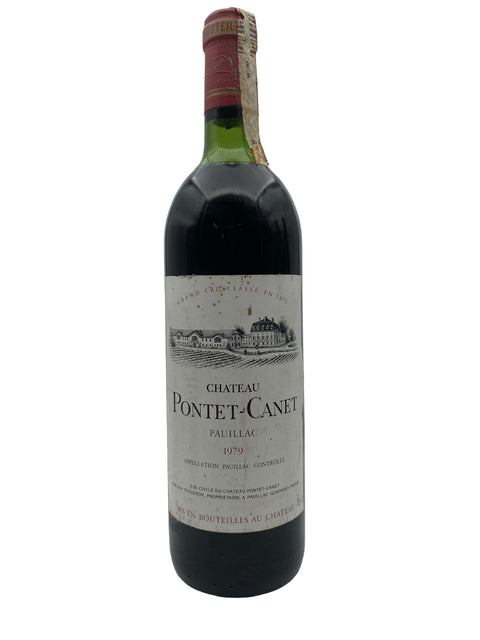


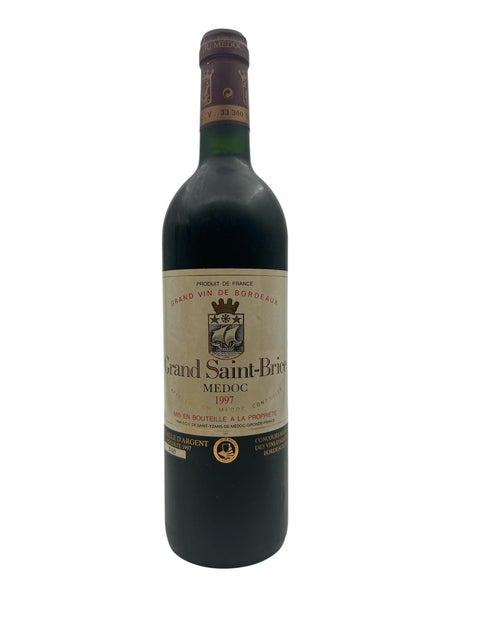
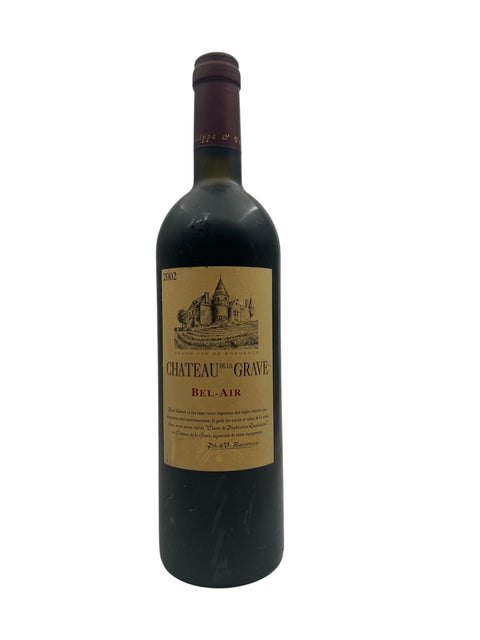
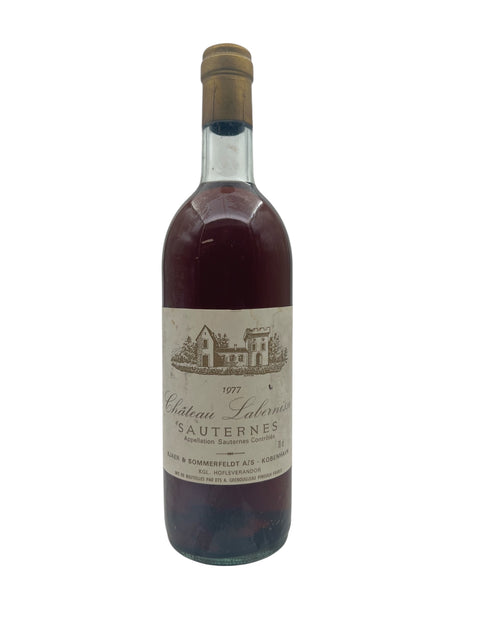


The Importance of Soil in Bordeaux
Understanding Bordeaux’s diverse soil types is central to appreciating the region’s wines. The Left Bank is characterized by gravelly soil, which promotes optimal drainage and heat reflection, providing particularly favorable conditions for growing Cabernet Sauvignon. This results in wines with prominent tannins and structure. On the Right Bank, clay soils dominate, which retain moisture and nutrients, perfect for Merlot, which produces softer and rounder wines. These variations in soil and grape varieties contribute to the diversity and balance of Bordeaux wines, and help wine lovers choose wines based on desired tannin content and fruit flavor in relation to personal preference.
Examples of the strong influence of gravelly soils can be found in the Médoc region, where wines often present powerful tannin structures. Renowned wineries such as Château Lafite and Château Latour take advantage of these soils to enhance the complex profile of Cabernet Sauvignon. Similarly, Merlot from Pomerol captures the essence of the soft structure of clay soils, creating wines with rich depths of flavor. Bordeaux’s soils, composed of unique terroir expressions, form the very backbone of the region’s winemaking tradition, adapting the optimal grape varieties to the most suitable soil type.
BWH brings you closer to the heart of the wine region, where you can enjoy wines influenced by local terroirs, and discover how each bottle reflects both history and quality, just as Barolo often does in its own region.
Modern Technology in Bordeaux Wine
While Bordeaux holds on to its proud traditions, modern technology now plays a central role in winemaking. The implementation of precision agriculture, automation and advanced equipment improves both the quality of the wine and the sustainability of production. The château balances tradition and innovation using new technology that offers detailed control and knowledge of the state of the vineyard. This not only ensures precise cultivation but also adapts to climate change. The use of drones and satellite observation allows monitoring of vegetation density and grape ripeness, which promotes optimal harvesting.
The introduction of mechanization and robotics underlines Bordeaux’s progressive approach. Many wineries use advanced machinery combined with traditional methods to protect the soil from compaction. In Saint-Émilion, Vitirover robots have become mandatory for their ability to keep weeds down without the use of chemicals. Overall, technological advances ensure a more targeted production that perfectly harmonizes with Bordeaux’s heritage and attracts both technological and traditional wine lovers.
Merlot: A Central Grape
Merlot is indispensable in Bordeaux, thanks to its early ripening and adaptability to the maritime climate. The grape variety thrives particularly well in the clay soils of the Right Bank, where moisture retention provides ideal ripening conditions. Merlot's reliability at harvest reinforces its importance, especially when Cabernet Sauvignon ripens under the challenge of climatic difficulties. With the ability to produce well-balanced blends, Merlot is distinguished by soft tannins and rich fruit flavors. Careful vineyard management, such as pruning, ensures the quality of the grapes and results in exceptional wines.
Areas such as Pomerol and Saint-Émilion highlight the qualities of Merlot. Château Pétrus is famous for its Merlot dominance, demonstrating the smoothness and depth of the grape variety. Over time, Merlot can develop characteristic notes of chocolate and fig, adding complexity and depth. It is precisely this versatility and ability to consistently deliver across changing conditions that cements Merlot’s essential role in Bordeaux’s wine history.
The Influence of the Classification System
Bordeaux’s classification system continues to influence consumers’ perceptions of quality and value. Since 1855, classifications such as Médoc and Graves have shaped perceptions of wine prestige. The classification acts as a guarantee of enterprise and status, even when it does not necessarily reflect modern quality standards. For many, these classifications are a quick guide to excellent wines, with the Premier Cru Classé label continuing to rise over time. Paying a premium for highly classified wines is often more rooted in reputation than taste.
Highly classified wines are seen as “blue-chip” assets with price stability and potential for value appreciation, and the region also offers wines that are old with an authentic history. The heritage and traditions reinforce the heritage, adding emotional and cultural value to Bordeaux. However, criticism exists, with some classifications not matching their price, while lesser-recognized chateaux can offer exceptional qualities at lower prices.
Manufacturing Process Phases
Bordeaux wine production from vine to bottle involves a number of important processes. From the care of the vine growers to the advanced fermentation methods in the vineyards, the process involves many layers that characterize the style of Bordeaux wines. Adaptation to the specific conditions of each grape variety is essential, and both traditional and modern methods are used to ensure optimal grape quality. This makes Bordeaux a leading wine region globally.
On the production front, the chateau like Château Figeac uses techniques that handle the grapes with care, preserving the flavor characteristics. The fermentation is sophisticated with temperature-optimized tanks that stabilize the quality. The use of micro-oxygenation contributes to the characterful depth of the wine. The combination of tradition and modern innovation underlines Bordeaux's strength in a constantly evolving wine world.
How do I choose the best Bordeaux wine?
When choosing the best Bordeaux wine, it's important to consider both the region and the vintage. Bordeaux is known for its complexity and depth, so when you shop at Bottles With History, you can easily find bottles from iconic Grand Crus. Our range includes wines aged for decades, so you can taste the history in every sip. For help selecting a truly special bottle, you can use our online platform to filter by vintage and region.
What types of Bordeaux wine are there?
Bordeaux wine spans several types, primarily red wines such as Cabernet Sauvignon and Merlot, known for their ability to age beautifully. At Bottles With History you can find these classic Bordeaux types among our selection of vintage wines from the 1950s onwards. This includes famous wine regions such as Médoc and Saint-Émilion, giving you an ample selection to suit every taste and collection.
Why is Bordeaux wine special among wine lovers?
Bordeaux wine is particularly popular with wine lovers due to its complex flavor and historical heritage. When you choose a wine from Bottles With History, you are not just getting something drinkable; you are investing in a bottle that tells a story. Our wines, with their many decades in the cellar, offer an unforgettable tasting experience marked by the development of time, fascinating collectors and connoisseurs worldwide.
What does a typical Bordeaux wine taste like?
A typical Bordeaux wine has notes of dark berries, spices and sometimes a rich earthiness that only deepens with age. At Bottles With History, the wines have been aged under optimal conditions to bring out the complex flavour profiles. This makes our selection the perfect choice for those looking to discover the richness of a mature, older Bordeaux.
What dishes go well with Bordeaux wine?
Bordeaux wine is versatile, but pairs especially well with red meats, game and rich stews. When you shop at Bottles With History, you can choose a wine that is the perfect match for your next dinner or special event. The depth and complexity of the wine make it a great partner for dishes that call for a wine with plenty of character.


