


French red wine
680 products


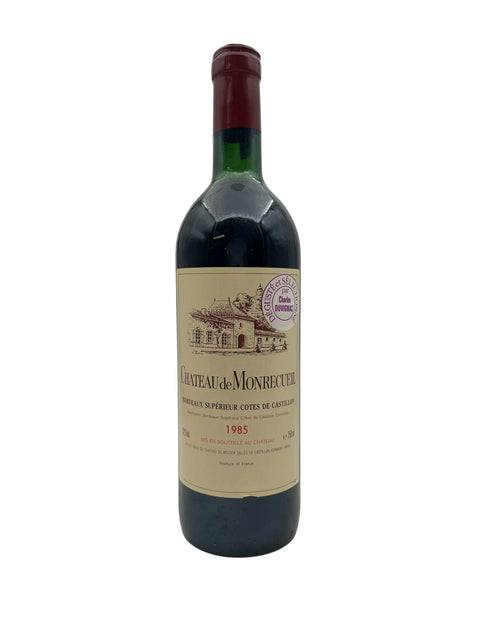


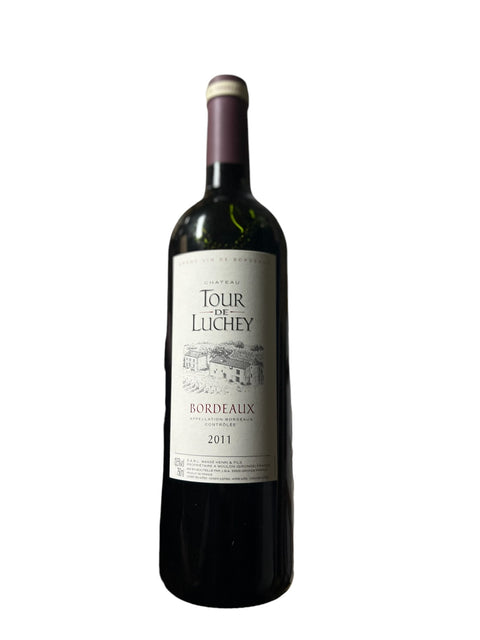


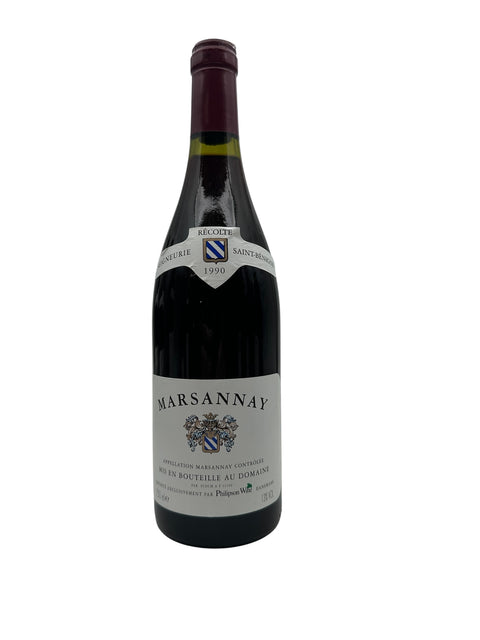
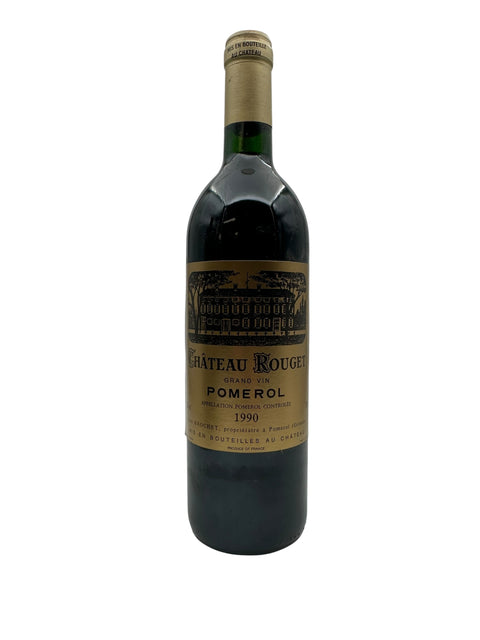


Historic French red wine for the dedicated collector
When French red wine is allowed to mature over several decades, a series of fascinating chemical changes occur that completely alter its character. It is a journey where the fresh fruit aromas slowly recede into the background to make room for deep, tertiary notes of cedarwood, leather, tobacco, and forest floor. During this development, the wine’s tannins bind together in longer chains, so the tight and drying sensation is transformed into a soft, rounded, and silky texture on the palate. Even in the glass, you can see the story unfold, as the original red pigments fade into beautiful brick-red or mahogany-colored shades.
Preserving a wine’s integrity for 20 to 60 years requires calm and ideal conditions; it must not be exposed to temperature fluctuations, harmful UV light, or vibrations. It is the combination of the perfect climate in the harvest year itself and the natural scarcity that arises as supply diminishes over time that shapes these historic wines’ great appeal to collectors. When you pour a glass, you sense the result of these optimal conditions – an extremely balanced and nuanced experience that brings the weather and knowledge of the past directly into the present.
Discover classic regions for French red wine
Imagine a journey through France’s most famous wine districts, where each local area offers very different terroirs that leave a clear mark on the wine’s structure and flavor profile. Differences in soil, climate, and grape composition mean that the classic regions develop their very own recognizable characteristics as they age over time. We also offer a selection of authentic Italian red wine, which represents a range of distinct regional styles.
Bordeaux and the dark fruit
In Bordeaux, the wines are often blended, and it is especially grapes such as Cabernet Sauvignon and Merlot that are responsible for the flavor. When these grapes grow in the region’s gravelly soil, they produce a strong concentration of dark fruit, including blackcurrants, blackberries, and dark plums. An older Bordeaux will over time reveal deep, earthy aromas while retaining its firm and structured backbone, making it an excellent companion to classic dinners.
Burgundy and the elegant lightness
If you travel to Burgundy, you encounter a cool continental climate and soil rich in limestone and marl. This creates perfect conditions for the Pinot Noir grape. Here the grapes ripen slowly, preserving a high natural acidity and resulting in a wine with a distinctly elegant lightness. This delicate and complex structure allows subtle, mineral notes to come forward without the wine ever feeling heavy.
Rhône and the spicy notes
The Rhône Valley is divided into a northern and a southern part, both of which conjure up exciting, spicy profiles. On the steep granite slopes in the north, it is the Syrah grape that dominates and creates savory and peppery notes which, with age, integrate beautifully with nuances of black olive and leather. Looking south, it is Grenache and the warm, stony soils that mark the wine with aromas of dried herbs and mild baking spices, which grow in depth and aromatic intensity with extended aging.
How to select a mature wine
When you need to find the exactly right historic vintage, it requires attention to certain details that indicate the wine’s condition. Simply by examining the bottle’s exterior, you get a clear picture of how the wine has been stored over recent decades.
- Level in the bottle (Ullage): The distance between the cork and the wine itself is an important indicator of oxidation and evaporation. A level that is in the neck of the bottle or at the top of the shoulder is ideal for older wines and confirms that the seal has remained tight.
- Condition of the cork: The cork should sit level with the rim of the glass or just slightly below. A cork that bulges upward may indicate that the wine has been exposed to harmful heat expansion, while a very sunken cork suggests drying out.
- Signs of leakage: The capsule and the area around the bottle neck should be completely clean. Sticky wine residue on the outside of the bottle indicates that temperature fluctuations have broken the seal, which increases the risk of damage to the wine.
- The wine’s color and clarity: If the bottle’s glass allows it, the color can be observed. A healthy, mature wine will often have a clear, brick-red or amber-colored tone, while a very cloudy or unclear appearance may be a sign of unsuitable development or too much heat exposure.
Why you should buy French red wine from Bottles With History
Acquiring older vintages requires great trust in the retailer’s expertise and storage standards. At Bottles With History, we offer a range of concrete advantages that ensure a safe and professional experience for every wine enthusiast, and our assortment also includes Spanish red wine.
- Scandinavia’s and Europe’s largest selection of historic wines.
- Guarantee that all bottles have been stored under optimal, climate-controlled conditions.
- High customer satisfaction with a TrustScore of 4,6 out of 5 based on several customer reviews.
- A special assortment consisting of older vintages, typically between 20 and 60 years old.
- Safe and fast next-day delivery directly to your door or to a parcel shop.
Preparation and serving of older vintages
Older wines are fragile and demand extremely careful handling to show their full potential. After transport, it is crucial to let the bottle stand upright for 24 to 48 hours in a cool environment. This gives the natural sediment time to settle, allowing the wine to regain its chemical balance. For the opening itself, a special tool such as a two-pronged cork puller should be used to avoid damaging the older and often porous cork. Decanting should be done slowly and carefully over a light source to accurately separate the wine from the sediment. This must be done immediately before serving, as mature wines oxidize very quickly and can easily lose their delicate, complex aromas from too much exposure to air.
Fast delivery and personal guidance
Once you have found the right bottle, Bottles With History ensures an efficient and smooth delivery process, and you get free shipping on purchases over 500 kr. The standard delivery time is next day, ensuring that the wine quickly reaches the chosen delivery address. As a customer, you also have direct access to competent online customer service. You can always obtain personal guidance regarding specific vintages, storage, and serving by contacting us directly by phone or e-mail before making your purchase.


